
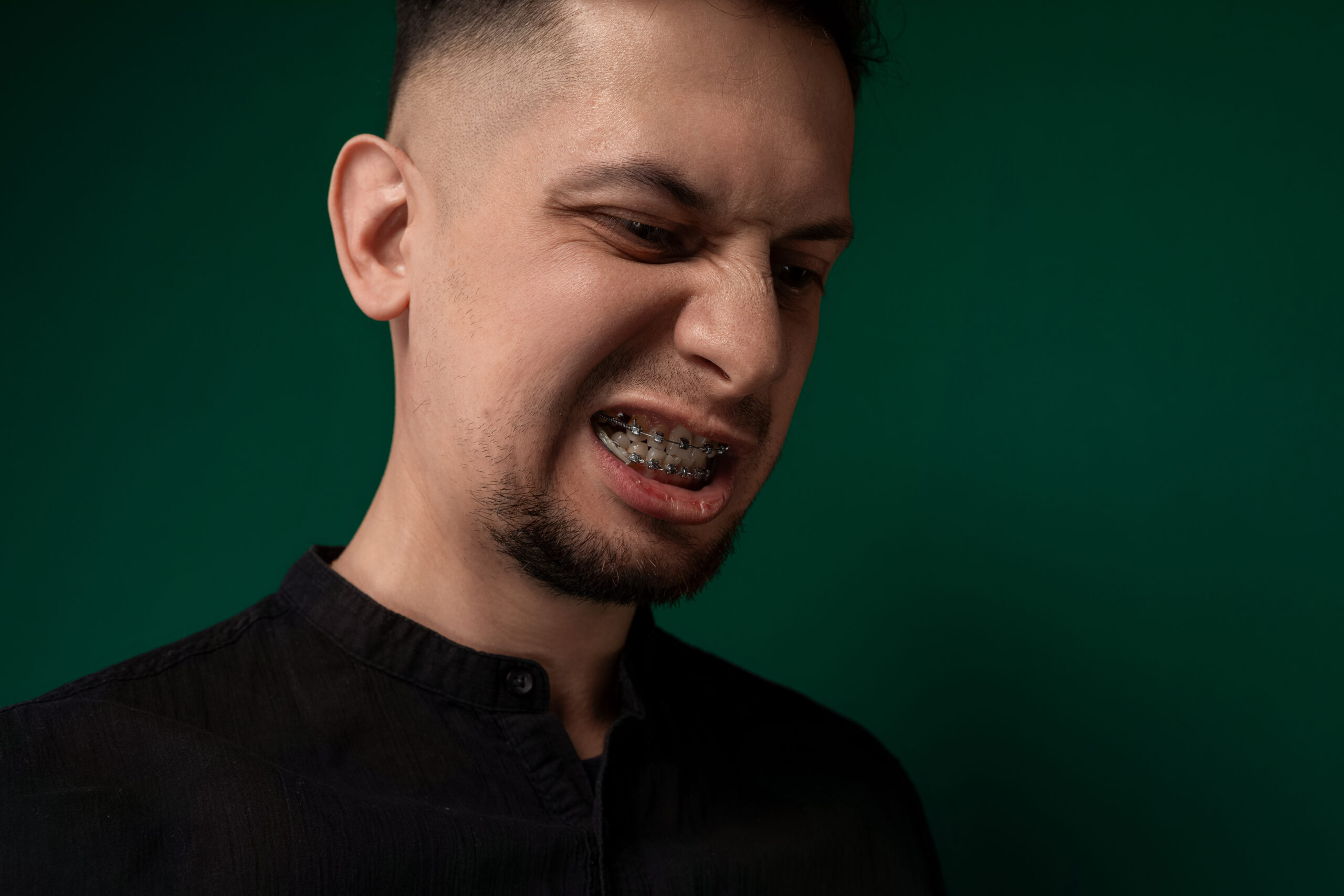
Bruxism is a condition characterized by involuntary spasms of the chewing muscles and intense teeth grinding during sleep. At Veda Stom (Tashkent), we successfully diagnose and effectively manage this condition. Without proper treatment, bruxism can lead to severe enamel wear, chipped expensive ceramic veneers, damaged dental crowns, and chronic pain in the temporomandibular joint (TMJ). The use of custom-made night guards combined with a comprehensive bite correction approach helps relax the jaw muscles and reliably protect your smile.
Do you wake up in the morning with a feeling of heaviness in your face, an unexplained headache, or a dull aching pain in your jaw? Perhaps your loved ones have noticed that you grind your teeth heavily in your sleep? In modern medicine, this condition is known as bruxism. As the leading prosthodontist at Veda Stom Clinic, I regularly deal with the consequences of this insidious condition.
The fast pace of modern life, constant stress, and chronic emotional tension are leading more and more patients in Tashkent to turn to us not simply for aesthetic treatment, but to save deteriorating teeth and costly restorations. Bruxism is no longer a rare condition — today, it is a widespread problem of modern society that requires proper professional medical intervention.
What Happens to Your Jaw During the Night?
The human chewing muscles are among the strongest muscles in the body. Normally, the upper and lower teeth should come into firm contact only while chewing and swallowing food. At all other times, a small physiological gap should remain between them, allowing the muscles to rest.
With bruxism, the brain, while in a state of heightened arousal or stress, sends involuntary signals that cause the chewing muscles to contract during deep sleep. The jaws clench with tremendous force — the pressure can reach up to 100 kilograms per square centimeter! Since this process occurs unconsciously, a person cannot control the force of the clenching, causing the teeth to literally grind against each other and gradually wear down.
Consequences of Bruxism for the Teeth and Jaw System:
| Area of Damage | Nature of Destruction and Pathological Changes |
| Natural Teeth | Severe enamel wear extending to the dentin, the development of microcracks, and the formation of wedge-shaped defects at the base of the tooth. |
| Prosthetic Restorations | Chipping of thin ceramic veneers, fractures of the ceramic coating on crowns, and fractures of dental bridges. |
| Gums and Periodontium | Due to excessive overload, the bone tissue around the tooth begins to resorb, the gums recede (gum recession), and the teeth become mobile. |
| Temporomandibular Joint (TMJ) | Clicking and popping in the jaw joint during chewing, limited mouth opening, and chronic facial and temporal pain radiating to the neck. |
How to Recognize the Problem Yourself
Many people live with bruxism for years, attributing morning headaches to migraines or fatigue and the shortening of their teeth to natural age-related changes. The condition often develops unnoticed, but its signs are quite telling.
List of the Main Symptoms and Signs of Bruxism:
- Morning stiffness: A feeling of tightness, fatigue, or soreness in the chewing muscles immediately after waking up.
- Changes in the appearance of the smile: The edges of the front incisors become worn down and completely flat (the teeth appear visibly shorter and more square-shaped).
- Frequent breakages: Repeated chipping of old composite fillings and damage to dental restorations without any obvious cause (you didn’t crack any nuts, but the filling still came out).
- Increased sensitivity: A sharp reaction of the teeth to hot and cold due to the loss of the protective enamel layer.
- Marks on the mucous membrane: A characteristic white line on the inner side of the cheeks (along the line where the teeth meet) and scalloped impressions along the edges of the tongue caused by constant pressure.
A Comprehensive Approach to Protection and Treatment
For patients who have undergone an aesthetic transformation with veneers or full-mouth implant-supported rehabilitation, bruxism is the number one enemy. Modern pressed ceramics are highly durable, but they are designed to withstand vertical loads. Bruxism, however, generates extreme lateral (shear) forces that can fracture the restorations.
Residents of Tashkent receive comprehensive care at our clinic aimed at relieving muscle spasms and reliably protecting their investment in their smile.
Comprehensive Bruxism Treatment Protocol:
- Custom Protective Night Guards (Splints): This is the first and most important step. A transparent guard made from a biocompatible material and fabricated using precise digital impressions is worn at night. It prevents the teeth from coming into direct contact, absorbs the destructive forces, and wears down instead of your natural teeth or crowns.
- Myorelaxation therapy: The use of specialized relaxation techniques, including treatment with a gnathologist and, in severe cases, botulinum toxin injections into the chewing muscles to reduce hypertonicity.
- Orthopedic Bite Correction: If grinding is caused by an improper occlusion resulting from missing teeth, tooth wear, or old fillings with reduced height, we perform bite reconstruction. Restoring the proper height of the teeth helps return the jaw joint and muscles to their natural, relaxed position.
Bruxism is not simply an unpleasant habit; it is a direct threat to your dental health. If you recognize yourself in the symptoms described above or want to reliably protect your crowns, do not postpone your visit to the dentist. Our clinic’s specialists will conduct a thorough diagnosis and select an effective solution to preserve your teeth and ensure you enjoy a peaceful night’s sleep.