
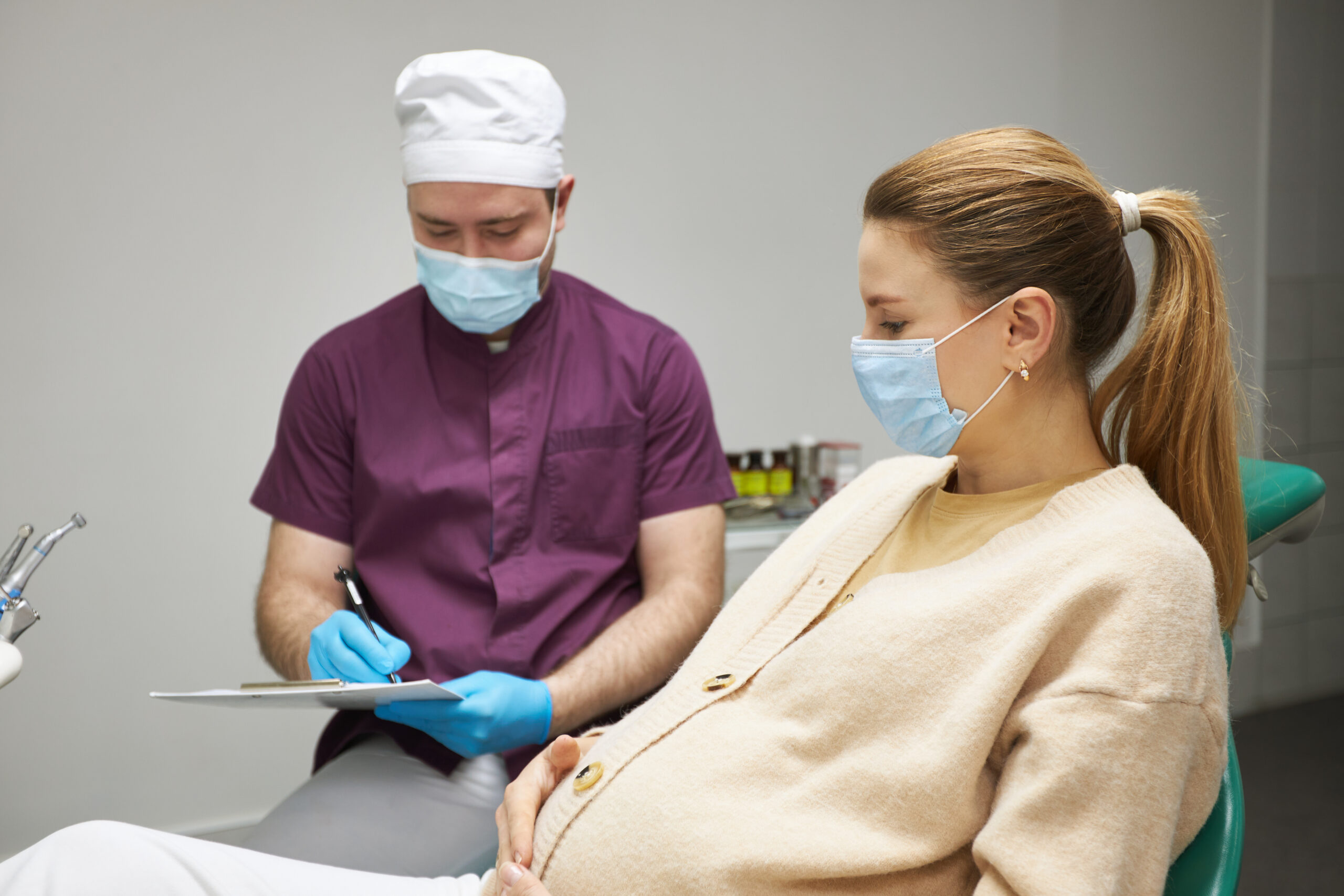
Dental treatment during pregnancy at Veda Stom (Tashkent) is an entirely safe and carefully controlled process. Leaving sources of infection, such as untreated tooth decay, or enduring severe dental pain poses a greater risk to the developing baby than properly performed dental treatment. By using hypoallergenic local anesthetics that do not cross the placenta and strictly following international treatment protocols, our dentists ensure the health and safety of both the expectant mother and her baby throughout every stage of pregnancy.
Pregnancy is a delicate period when taking care of your health becomes especially important. However, it is also during this time that many women experience a sudden deterioration in their oral health. As a leading restorative dentist at Veda Stom Clinic, I often see expectant mothers who have postponed their dental visits until the last moment out of fear of harming their baby. I want to reassure you: this is one of the most common and dangerous misconceptions.
It is important to understand that untreated tooth decay is not simply an enamel defect—it is an active source of chronic bacterial infection. Pathogenic microorganisms can enter the bloodstream, potentially posing a risk to normal fetal development. In addition, severe toothache triggers a significant release of stress hormones, including cortisol and adrenaline, which is undesirable during pregnancy. Therefore, dental treatment during pregnancy is not only possible but also essential!
Why Do Teeth Decay Faster During Pregnancy?
Due to Tashkent’s specific climate and the profound physiological changes that occur during pregnancy, a woman’s body becomes more vulnerable to dental problems. There are several scientifically supported reasons for this:
- Changes in Saliva pH: Against the background of early pregnancy nausea, frequent vomiting, and sudden changes in dietary habits (cravings for sweet or sour foods), saliva becomes more viscous and acidic. It loses its natural remineralizing properties, leading to faster loss of calcium from the enamel.
- Mineral Redistribution: The development of the baby’s skeleton requires a significant amount of micronutrients. If the mother’s daily diet does not provide enough of them, the body begins to compensate for the deficiency by drawing on its own reserves.
- “Pregnancy Gingivitis”: Due to a sharp increase in hormone levels (progesterone and estrogen), the gums become loose, swollen, and may begin to bleed even during gentle brushing. This creates an ideal environment for rapid bacterial growth.
Optimal Timing for Treatment
Each stage of pregnancy has its own anatomical and physiological characteristics. The planning of dental procedures is carefully coordinated with the pregnancy trimester.
Distribution of Dental Procedures by Pregnancy Stage:
| Pregnancy Period | Stage Characteristics | Permitted Dental Procedures | Procedures That Are Strictly Not Recommended |
| 1st trimester (up to 13 weeks) | The fetus’s organs are actively developing during this period. The placenta has not yet fully formed. | Emergency care only (acute throbbing pain, purulent inflammation, trauma). | Any elective dental treatment, teeth whitening, dental implant placement, and wisdom tooth removal. |
| 2nd trimester (14–27 weeks) | “The golden period.” The placenta reliably protects the baby, and the mother’s emotional state is stable. | Planned treatment of caries and pulpitis, professional dental hygiene, and uncomplicated tooth extractions. | Prolonged surgical procedures, dental implant placement, and braces installation. |
| 3rd trimester (from 28 weeks onward) | The body is actively preparing for childbirth. Fatigue is more pronounced, and there is an increased risk of uterine contractions. | Emergency relief of acute pain and gentle professional cleaning (without the use of ultrasound). | Complex tooth extractions and prolonged periods lying on the back in the dental chair. |
Safe Anesthesia: Debunking Common Fears
The main concern for expectant mothers is whether a local anesthetic injection could harm the baby. In modern medicine in 2026, specialized articaine-based anesthetics are used. For pregnant patients, an anesthetic with a minimal amount of vasoconstrictor (epinephrine) or without it at all may be selected.
The molecules of these modern anesthetics have a relatively high molecular weight, but molecular size alone does not mean that they cannot cross the placenta. The anesthetic acts locally by blocking nerve impulses in the gums, and appropriately selected local anesthetics are generally considered suitable for use during pregnancy. You should not have to endure dental pain, and adequate pain control can help reduce stress during treatment.
Safety Protocols During Appointments at Our Clinic
To ensure maximum safety and comfort, our team strictly follows clinical protocols for treating pregnant patients.
How We Protect Mother and Baby:
- Individual positioning: In the later stages of pregnancy, we do not place the patient in a fully horizontal position. The dentist works with the patient in a semi-seated position to help prevent compression of the inferior vena cava and maintain adequate oxygen flow to the fetus.
- Use of a rubber dam system: We isolate the tooth being treated with a special latex barrier. This helps prevent drops of antiseptic solutions or particles from an old filling from coming into contact with the oral mucosa or entering the expectant mother’s esophagus.
- Hypoallergenic materials: We use biocompatible filling materials and gentle antiseptics designed to minimize the risk of allergic reactions and toxic effects.
Expectant mothers in Tashkent can feel completely at ease: by entrusting us with your smile, you are in safe hands. Plan extensive dental treatment during the preparation stage for motherhood. However, if caries develops during pregnancy, do not endure the discomfort. We will perform a careful examination, choose the most appropriate time for treatment, and gently resolve the problem while protecting the health and well-being of the two most important people — you and your future baby.