
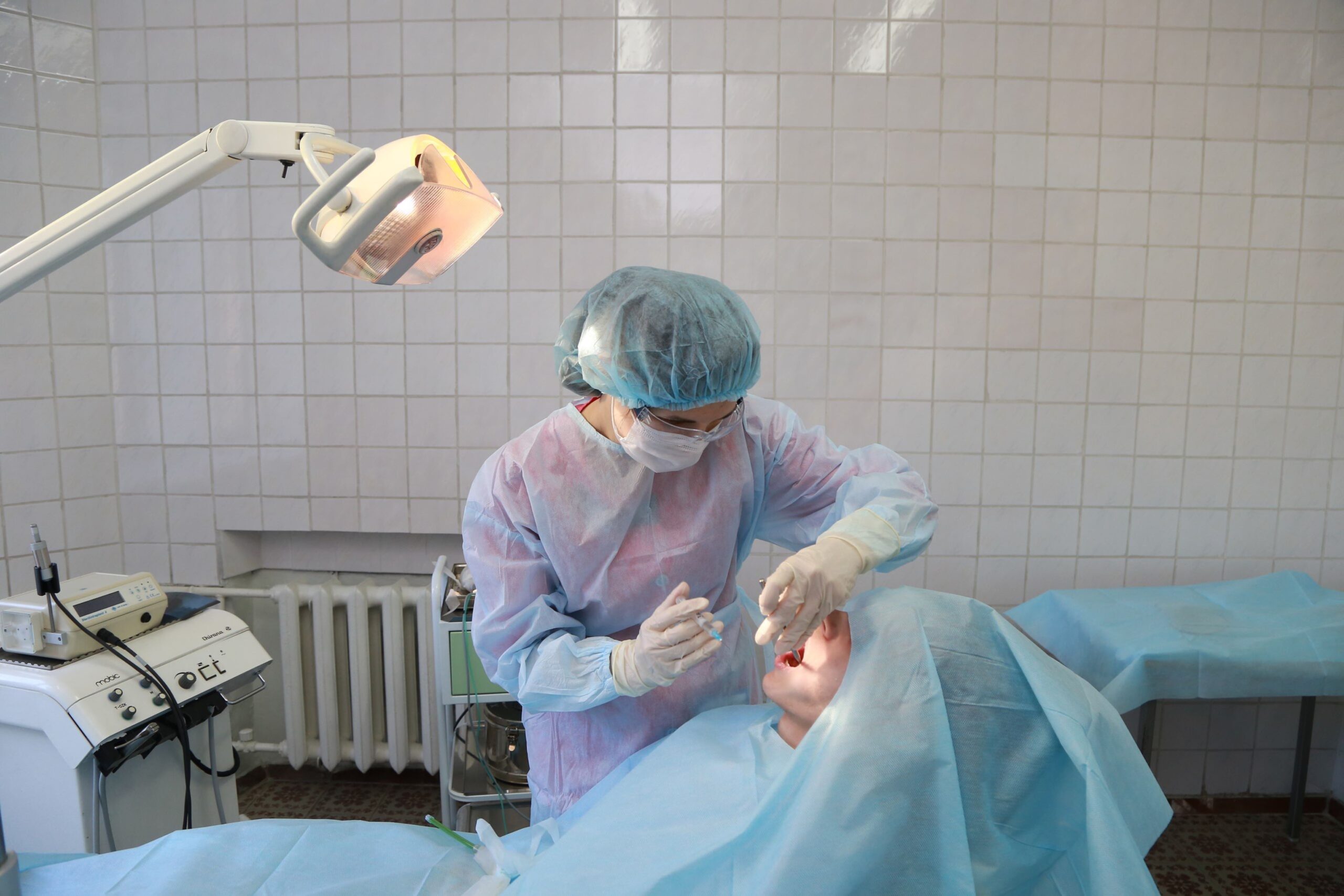
Wisdom tooth extraction at Veda Stom (Tashkent) is performed completely painlessly, but proper healing of the extraction socket depends 80% on the patient's compliance with post-operative instructions at home. The primary goal of recovery is to preserve the protective blood clot and prevent the development of alveolitis (dry socket). In this article, our oral surgeons share the most important recommendations—from reducing post-operative swelling to proper nutrition and oral hygiene—to help you recover as quickly and comfortably as possible.
The surgery is over. Thanks to modern anesthetics and the professionalism of our doctors, you did not feel any pain. However, wisdom tooth removal is a full surgical procedure. Now, an equally important stage begins — the healing process. As a practicing surgeon at Veda Stom Clinic, I see patients every day who go through this period easily and successfully, as well as those who inadvertently provoke complications. Following the recommendations is especially important in Tashkent’s warm climate, as high temperatures may contribute to blood vessel dilation and secondary bleeding.
The main secret to proper healing is the blood clot.
Immediately after the root is removed, blood collects in the resulting socket and quickly clots, forming a dense, dark burgundy blood clot. This is your natural biological dressing. The clot protects the exposed bone and nerve endings from bacteria and also serves as a matrix within which new tissue gradually forms.
If this blood clot is disrupted, washed away, or displaced, the bone may be left exposed to the microorganisms of the oral cavity. This can lead to alveolitis — acute inflammation of the extraction socket, known as “dry socket.” It is often accompanied by severe, throbbing pain that may radiate to the ear, as well as an unpleasant odor from the mouth.
What Is Strictly Prohibited at Home
To protect the blood clot, strict precautions must be followed during the first 72 hours after surgery.
Strict Restrictions During the First Three Days:
- Do not rinse your mouth vigorously: Avoid intense, forceful rinsing! The strong flow of liquid may dislodge the blood clot. Only gentle “oral baths” are recommended: place the prescribed antiseptic in your mouth, hold it without moving your cheeks, and gently spit it out.
- Do not drink through a straw: Sucking liquid through a straw creates strong negative pressure in the mouth. This pressure change can easily dislodge the blood clot from the walls of the extraction socket.
- Avoid heat exposure: Do not visit a bathhouse or sauna, take hot baths, or engage in strenuous physical activity during the first few days. Overheating can cause blood vessels to dilate and may increase the risk of bleeding.
- Do not apply heat to the cheek: Applying warm compresses to the extraction area can significantly increase swelling and promote bacterial growth. During the first few hours after surgery, only dry cold (ice wrapped in a towel) may be applied for 15 minutes at a time.
Warning Signs and Normal Body Responses
Your body reacts to the trauma, and some unpleasant symptoms are completely normal. It is important to distinguish the natural healing process from a developing complication.
Normal Body Responses After Tooth Extraction vs. Warning Signs:
| Symptom | Normal response (natural healing process) | Warning sign (contact your dentist immediately) |
| Cheek swelling | It appears on days 1–2, peaks on day 3, and then gradually begins to subside. | The swelling continues to increase rapidly on day 4, and the cheek becomes firm and very hot. |
| Pain syndrome | A dull, aching pain that gradually subsides and responds well to painkillers. | Sharp, shooting, throbbing pain radiating to the temple; painkillers do not provide relief. |
| Body temperature | An increase in body temperature up to 37.5 °C during the first two days (especially in the evening). | A persistent body temperature above 38.0 °C from the third day onward, accompanied by severe chills and weakness. |
| Bleeding | Slight oozing of blood-tinged fluid during the first 24 hours (pinkish saliva with a metallic taste). | Heavy bleeding of bright red blood from the extraction socket 12 hours after the procedure. |
Nutrition and Oral Hygiene for Faster Recovery
In addition to following the restrictions, it is important to maintain proper oral hygiene and adjust your diet to avoid mechanically irritating the wound.
Nutrition and Oral Hygiene Rules for Faster Healing:
- Food should be soft and cool: Avoid hot, spicy, hard, and crunchy foods (nuts, chips, tough meat). An ideal diet includes purées, yogurt, cream soups, and smoothies.
- Chew on the opposite side: For the first few days, try to place the chewing load on the side of the jaw where the procedure was not performed.
- Do not stop brushing your teeth: Good oral hygiene is essential! Plaque buildup can lead to infection. Gently brush your teeth with a soft toothbrush, but avoid the extraction socket and any sutures.
- Follow the prescribed medication regimen: Take antibiotics and anti-inflammatory medications strictly according to the regimen prescribed by your treating surgeon.
Wisdom tooth extraction is a standard procedure when performed by experienced specialists. For residents of Tashkent, our clinic’s specialists remain available throughout the postoperative period. Take care of your health, follow all your doctor’s instructions carefully, and your recovery will be as easy and uneventful as possible.