
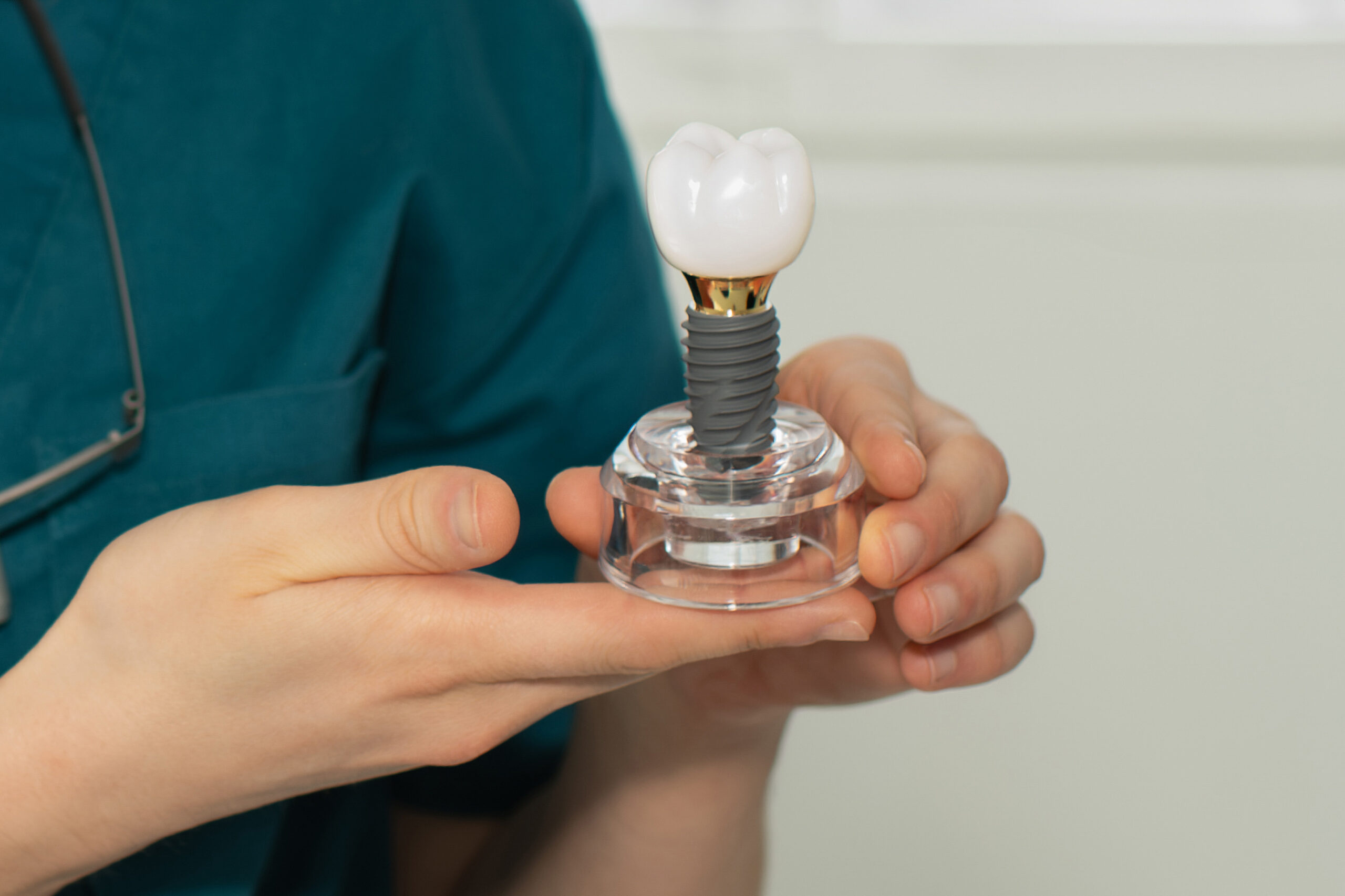
A sinus lift at Veda Stom (Tashkent) is a safe and predictable microsurgical procedure designed to increase bone volume in the upper jaw. The procedure is required when tooth loss causes the floor of the maxillary sinus to descend, leaving insufficient bone to securely place a dental implant. By using premium bone grafting materials and modern surgical protocols, our surgeons create a strong and reliable foundation for new teeth—without pain, fear, or prolonged discomfort.
Very often, during an initial consultation for the restoration of missing teeth, patients hear an unfamiliar and frightening phrase from the surgeon: “You have insufficient bone, there is not enough space to place an implant, and a sinus lift is required.” As a practicing implant surgeon, I completely understand your concerns. Many people believe that bone augmentation is an extremely difficult and traumatic surgical procedure. However, in modern dentistry in 2026, sinus lifting has become a routine procedure, refined to the finest details. To help dispel your fears, let’s take a closer look at why bone loss occurs and how exactly we restore it.
Anatomy of the Upper Jaw: Where Does the Bone Go?
The anatomical structure of the upper jaw is unique. Directly above the roots of the upper chewing teeth (premolars and molars) are the maxillary, or maxillary sinus, cavities. These are air-filled spaces lined on the inside with an extremely thin mucous membrane known as the Schneiderian membrane.
When you lose an upper chewing tooth, two negative processes begin. First, the bone tissue, no longer subjected to its usual chewing load, begins to resorb and become thinner rapidly. Second, the empty maxillary sinus gradually expands and moves downward. As a result, only a thin bone plate, just 2–3 millimeters thick, remains between the oral cavity and the sinus. It is physically impossible to securely place a 10-millimeter-long titanium implant in such a thin layer of bone. Without additional support, the implant would simply extend into the air-filled cavity.
Main indications for surgery on the upper jaw:
- Long-term absence of teeth: If more than 6–8 months have passed since the tooth was extracted, the process of bone loss is already well underway, and bone augmentation is unavoidable.
- Anatomical features: In many patients in Tashkent, the maxillary sinuses are naturally very large, while the alveolar ridge is initially thin.
- Previous traumatic tooth extraction: Severe damage to the walls of the tooth socket during a difficult extraction can accelerate the loss of bone tissue volume severalfold.
- Severe periodontitis: Chronic infectious inflammation of the gums can destroy the bone structure around the tooth root even before the tooth itself is lost.
Types of Sinus Lift: Which Method Is Right for You?
The essence of a sinus lift procedure (from the Latin *sinus* — cavity, and English *lift* — to raise) is to carefully elevate the floor of the sinus lining and fill the resulting space with a special bone grafting material. Depending on the initial volume of your bone, we use one of two techniques.
Comparison of the Two Methods: Closed vs. Open Sinus Lift
| Comparison parameter | Closed Sinus Lift (Gentle Technique) | Open Sinus Lift (Classic Technique) |
| When is it applied? | The initial height of the patient’s own bone is at least 4–5 mm. | Severe bone deficiency (1–3 mm in thickness). |
| Invasiveness | Minimal. Access is created directly through the opening prepared for the future implant. | Moderate. Access is created through a small, carefully prepared lateral window in the gum. |
| Implantation Timeline | It is almost always performed simultaneously with the placement of the titanium implant. | Implant placement can be performed either immediately or 4–6 months after the grafting material has healed and integrated. |
How Is the Bone Augmentation Procedure Performed?
Patients’ main fear is related to the surgical procedure itself. At Veda Stom Clinic, every procedure is performed under powerful and safe local anesthesia based on articaine. You will feel only slight tactile sensations and vibration, but absolutely no pain.
Procedure Steps and Materials Used to Stimulate Bone Growth:
- Anesthesia and access: Anesthetic is administered, and a small section of the gum is gently lifted to provide access for the surgeon.
- Membrane elevation: Using special blunt instruments or a piezosurgical (ultrasonic) device, the doctor carefully elevates the sinus lining without damaging its integrity.
- Placement of the bone graft material: The space is filled with special granules. We use highly purified, biocompatible materials (xenografts or synthetic alternatives). They serve as an ideal scaffold through which your own blood vessels and new bone cells can grow.
- Placement of the protective membrane: A barrier collagen membrane is placed over the graft granules. It protects the granules and prevents the soft gum tissue from growing into the newly forming bone.
- Suturing: The gum is repositioned and sutured with very fine threads. Over the course of 4–6 months, the graft material fully integrates and transforms into your own dense bone tissue.
Many patients are surprised by how easily the rehabilitation period goes. A slight swelling, which is a natural reaction of the body, subsides within 3–4 days, while mild discomfort can be easily controlled with ordinary painkillers.
Modern microsurgery makes it possible to restore any lost volume of tissue. A sinus lift provides a strong foundation that can help a dental implant last for decades. If you have ever been denied implant placement due to insufficient bone tissue, we invite you to an expert diagnostic consultation at our clinic in Tashkent. Our specialists will carefully assess your situation and recommend the safest and most comfortable path to restoring your ideal smile.