
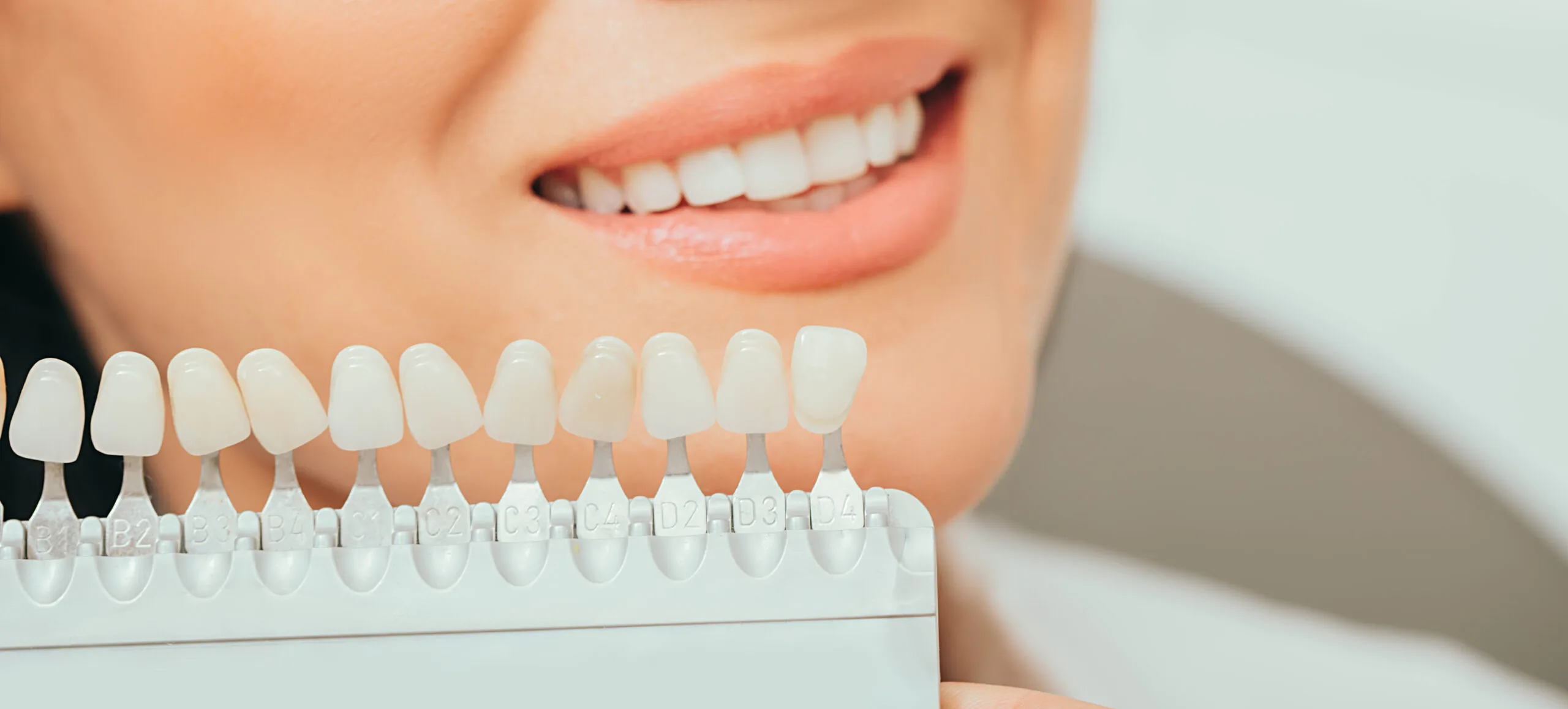
Professional teeth whitening is a safe procedure in 2026 when performed according to medical protocols. Unlike at-home methods, the systems at the Veda Stom clinic (Tashkent) target only the organic pigments within the dentin without compromising the integrity of the enamel's mineral structure. The use of neutral pH gels and modern desensitizers helps maintain healthy teeth and prevent long-term hypersensitivity.
The safety of teeth whitening is one of the most frequently asked questions during consultations at Veda Stom. Patients often fear that the procedure "erases" or "dissolves" enamel, making teeth brittle. However, modern aesthetic dentistry in Tashkent has long since moved away from the aggressive methods of the past. Today, whitening is not a chemical burn, but a controlled process of pigment oxidation.
How modern teeth whitening works: the chemistry of the process
To understand why the procedure is safe, it's important to understand its mechanism. Tooth enamel is the hardest tissue in the human body, composed of 96% minerals (hydroxyapatite). The whitening gel does not react with these minerals.
The gel's active component (hydrogen peroxide or carbamide) releases free oxygen when activated. Its molecules penetrate the enamel into the dentin and act on the organic protein compounds—pigments. Oxygen "breaks" the chains of these pigments, rendering them colorless. The structure of the tooth itself remains intact. At Veda Stom, we use solutions with a neutral pH, which prevents demineralization of the tooth surface.
Debunking Popular Myths About Teeth Whitening
Over the years, the procedure has become surrounded by numerous misconceptions. Let's examine the most persistent of these from an evidence-based medicine perspective:
- Myth 1: Enamel becomes thinner. In fact, professional gels are non-abrasive. They don't "scrape" the tooth surface, but work within its tissues.
- Myth 2: After whitening, your teeth will hurt for the rest of your life. Modern systems include components that block dentinal tubules. Short-term sensitivity can last from 2 to 24 hours, after which it resolves completely.
- Myth 3: The result will disappear within a month. With proper care and hygiene in Tashkent, the effect lasts from 1.5 to 3 years.
- Myth 4: Whitening causes cavities. On the contrary, before the procedure, a complete sanitation of the oral cavity and removal of plaque is carried out, which is the best prevention of caries.
Why is professional control the key to safety?
The main risk to dental health isn't the whitening itself, but its unsupervised use. Using "folk" remedies or uncertified strips can damage the mucous membrane and burn the pulp.
Safety at Veda Stom is ensured by three factors:
- Individual diagnostics: We use detailed visual inspection and digital tissue assessment methods. If there are chips, cracks, or wedge-shaped defects in the enamel, the procedure is postponed until they are corrected.
- Gum isolation: Special protective barriers prevent the active substance from reaching soft tissues.
- Remineralizing therapy: Immediately after whitening, we perform a procedure to "saturate" the enamel with calcium and fluoride, which makes it denser and more resistant to external irritants.
Comparison of Methods: Past vs. Present
To understand the progress in procedural safety, we suggest looking at the comparison table:
| Parameter | Aggressive methods of the past | Modern systems at Veda Stom |
| pH level of the gel | Acidic (high risk of demineralization) | Neutral (safe for enamel) |
| Activation | Strong heating of the lamp (risk of pulp overheating) | Cold light or chemical activation |
| Gum protection | Often absent or partial | Complete isolation with liquid cofferdam |
| Sensitivity | Pronounced, long-lasting | Minimal, goes away within 24 hours |
| Gel composition | Whitening agent only | Contains potassium, fluoride and amorphous calcium phosphate |
How Preparation Ensures Safety
Safe whitening is impossible without a preliminary step. At our clinic in Tashkent, we adhere to a strict protocol:
- Professional hygiene: Air Flow tartar and plaque removal. This allows the gel to work on a clean surface and prevents gum inflammation.
- Treatment of caries: Whitening is performed only on healthy teeth to prevent the gel from entering the tooth through a carious cavity.
- Strengthening enamel: 10-14 days before the procedure, we can prescribe a course of strengthening pastes and gels for home use.
FAQ: Answers from Veda Stom specialists
1. Will the enamel become more porous after the procedure?
During the whitening process, tooth pores temporarily open to allow oxygen to pass through. However, thanks to final remineralization and natural salivation, they close within the first 48 hours.
2. Is it possible to whiten teeth if there are cracks in the enamel?
If the cracks are superficial and do not affect the deeper layers of dentin, the procedure is possible after protecting these areas. In complex cases, we offer alternative methods of aesthetic correction.
3. Does whitening affect the strength of fillings?
Professional gels do not damage composite materials. However, it's important to remember that fillings do not change color and may need to be replaced to match the new shade of your teeth.
4. Is it safe to do whitening frequently?
Clinical whitening is recommended no more than once every 1.5–2 years. Maintaining this interval ensures complete tissue restoration and no harm.
Modern whitening at the Veda Stom clinic is a completely safe and predictable procedure that allows Tashkent residents to achieve the smile of their dreams without any health risks. We use only certified systems from 2026, which care as much about your enamel as they do about your aesthetics.
Schedule a professional diagnostic at Veda Stom to ensure your teeth are ready for a transformation!