
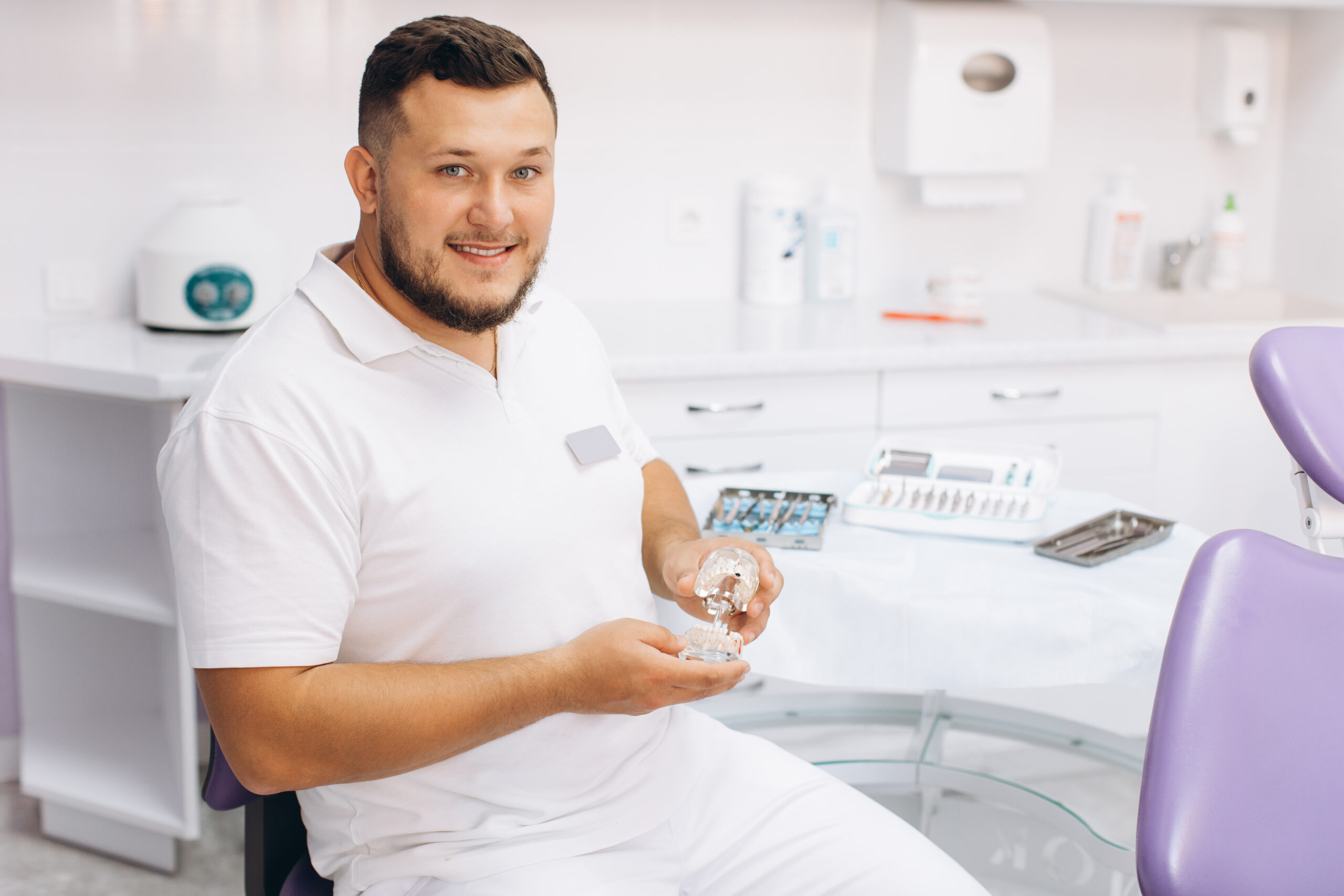
All-metal crowns at the Veda Stom clinic (Tashkent) represent the cutting-edge standard in orthopedic dentistry, completely replacing traditional metal-ceramic crowns. The absence of a metal framework eliminates the risk of allergic reactions, oxidation, and gum discoloration. Using zirconium dioxide and pressed ceramic, these crowns provide a flawless, natural smile and are durable, withstanding any chewing load.
For a long time, metal-ceramic restorations remained the only reliable way to restore severely damaged teeth. However, they always had one significant drawback: the dark metal base. In modern medicine in 2026, patients' aesthetic expectations have risen, and technology has made a quantum leap forward. As a practicing physician at the clinic Veda Stom, I can confidently say: metal-free orthopedics is the best thing that has been created for the health and beauty of your smile. Tashkent More and more patients are consciously abandoning metals in favor of progressive biocompatible materials.
Why are metal-free ceramics superior to classic ones?
The main drawback of metal-ceramics lies in the chemical properties of the metals. Over time, the framework begins to oxidize under the influence of saliva and oral microflora. This leads to a grayish or bluish tint in the gums around the crown and can cause a specific metallic taste. Furthermore, metal is completely opaque, causing the artificial tooth to often appear dull and unnatural in bright light.
All-metal crowns are completely free of these drawbacks. They are made from pure crystalline and glass-ceramic materials that have the same light transmittance as natural enamel.
The main advantages of metal-free structures:
- Ideal biocompatibility: The body does not perceive the material as a foreign body, which eliminates the risk of allergies.
- Maintaining healthy gums: The gum tissue fits tightly to the crown, does not become inflamed, and does not change its natural pink color.
- Gentle preparation: The thickness of a metal-free crown is significantly less, so when preparing the tooth, the doctor grinds down a minimum of its own tissue.
- Lack of galvanism: Microcurrents do not occur in the oral cavity, which often happens in the presence of dissimilar metals.
Types of metal-free crowns at Veda Stom
Depending on the clinical objectives and the location of the damaged tooth, in our clinic in Tashkent We use several types of metal-free materials.
Comparative analysis of metal-free materials:
| Comparison parameter | E-max pressed ceramics | Zirconium dioxide (Monolith) | Multi-layer zirconium |
| Main component | Lithium disilicate | Zirconium oxide ($ZrO_2$) | Density Gradient Zirconium |
| Strength level | High (up to 500 MPa) | Extreme (up to 1200 MPa) | Very high (about 900 MPa) |
| Light transmittance | Maximum | Average | High |
| Recommended area | Front teeth, veneers, inlays | Chewing teeth (molars) | Any zone (universal choice) |
| Wear resistance | Excellent | Absolute | Excellent |
Technology and installation features
The durability of metal-free crowns is directly related to their digital production method. The process is fully automated and eliminates the errors of manual casting.
How dental crowns are placed in our clinic:
- Scanning: Instead of traditional impressions, we use an intraoral digital scanner that creates an accurate 3D model of your teeth.
- Virtual simulation: A special program calculates the anatomical shape of the crown with micron accuracy, taking into account the characteristics of your bite.
- Milling (CAD/CAM): A robotic machine mills a crown from a solid block of the selected material (ceramic or zirconium).
- Fixation: The finished structure is attached to the tooth using a durable adhesive composite. The crown literally "fused" with the tooth tissue, forming a monolithic structure.
Which crowns are best to choose?
The answer to the question of which design is best always depends on the functional objectives. For restoring the chewing region of teeth, where the load is greatest, monolithic zirconium dioxide is the ideal solution. It is resistant to chipping and abrasion.
If you need to restore teeth in the smile zone, where every nuance of transparency and play of light is important, experts Veda Stom We recommend E-max pressed ceramic or Multi-layer zirconium. These materials allow us to select a shade that will be 100% identical to your natural enamel.
By choosing metal-free technology, you're investing in long-term results. These teeth won't darken over time from coffee or tea, won't require replacement due to gum recession, and will delight you with their functionality and impeccable appearance for many years to come. We invite you to a consultation to choose the best prosthetic option together and restore the health and natural beauty of your smile.