
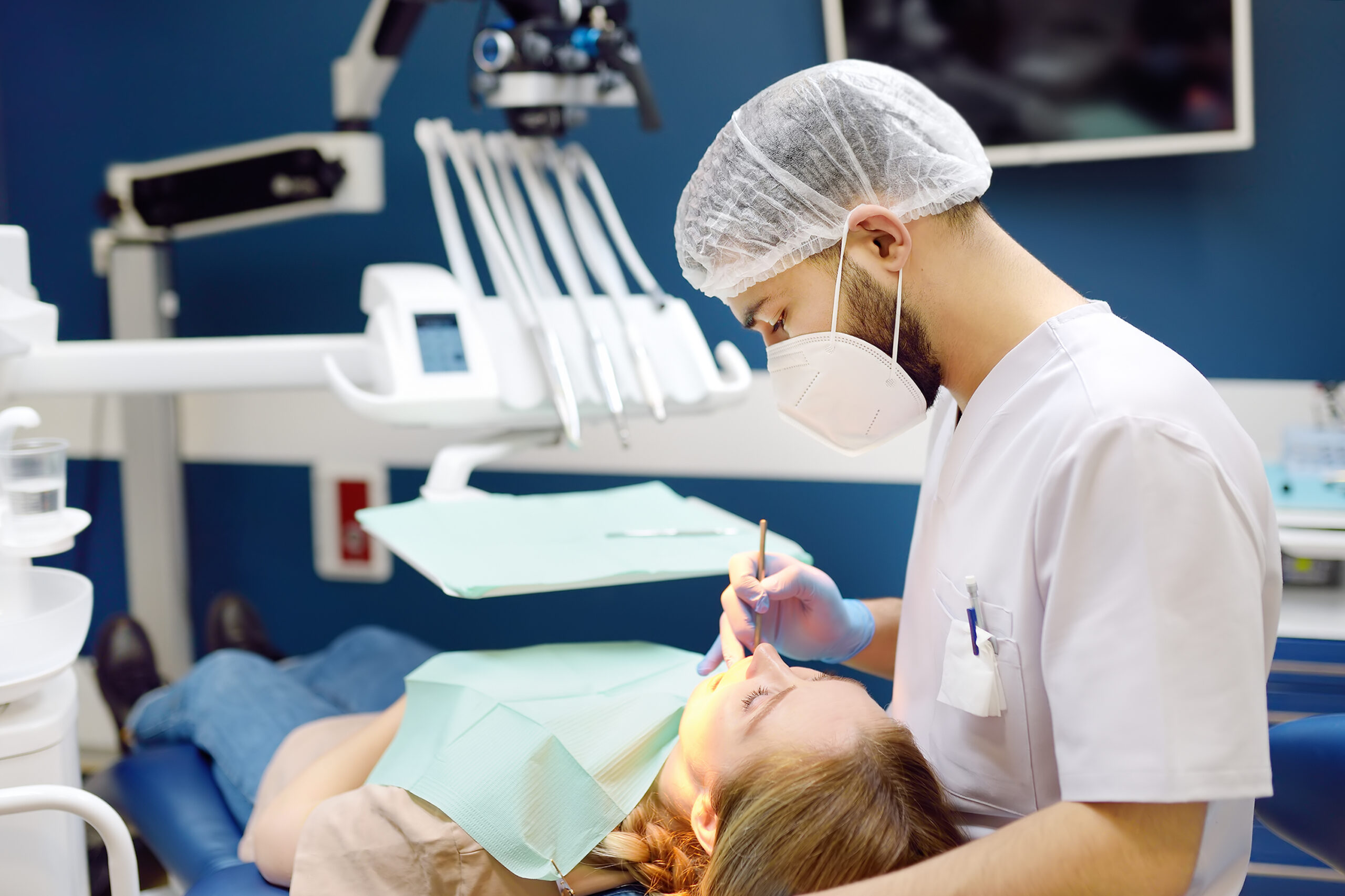
Modern surgical dentistry at the Veda Stom clinic (Tashkent) completely eliminates pain during tooth extractions of any complexity, including impacted wisdom teeth. The use of highly effective and hypoallergenic articaine-based anesthetics ensures deep and safe pain relief. Individualized selection of medications, taking into account the patient's overall health, age, or pregnancy status, allows for the surgery to be performed in complete physical and psychological comfort.
Fear of visiting a dental surgeon is one of the most powerful and common psychological barriers among patients. For many, this fear stems from the past, when ineffective anesthetics like novocaine or lidocaine were used. These were slow-acting, often caused allergies, and did not always provide complete numbness, especially during acute inflammation.
At the clinic Veda Stom In 2026, we completely changed the concept of tooth extraction. Thanks to the use of advanced pharmacological protocols and precise drug administration, any surgical procedure at our clinic is completely painless. If you need a complex wisdom tooth extraction in Tashkent, you can be sure that the only thing you will feel is a slight tactile pressure, but not pain.
Drug Evolution: Why Articaine Is the Gold Standard
In modern medicine, articaine-based drugs (e.g., Ultracaine, Ubistesin, Septanest) are recognized as the best choice for local anesthesia. This molecule possesses unique penetrating properties into hard tissues and jawbone, allowing for deep nerve block within 2–3 minutes of administration.
Articaine is five times more potent than lidocaine, but has significantly less toxicity and is eliminated from the body more quickly. To enhance and prolong the effect, a vasoconstrictor, adrenaline (epinephrine), is added to the drug. It constricts blood vessels at the injection site, reducing bleeding and slowing the anesthetic's release from the tissue, allowing the surgeon to perform the procedure calmly and efficiently.
Comparative review of modern types of local anesthesia:
| Type of anesthesia | How is the procedure performed? | Scope | When is it applied? |
| Application | Applying a fragrant gel/spray to the mucous membrane | Superficial numbness of the gums | Before the injection itself, so that the patient does not feel the needle puncture. |
| Infiltration | Injection of the drug into the projection of the tooth root | Localized area (1–2 teeth), mainly on the upper jaw | Removal of single-root teeth, treatment of caries, operations on the upper row. |
| Conductor | Injection of the solution close to a large nerve trunk | Blocks half of the jaw, tongue and lip on the injection side | Removal of lower molars and complex “eights” (wisdom teeth). |
Safe anesthesia for special patient groups
One of the key rules of work for specialists Veda Stom — individual anamnesis collection. We understand that patients in Tashkent There may be concomitant diseases, so the type and concentration of anesthetic are selected with pinpoint precision.
Features of drug selection for different categories:
- For patients with hypertension and heart disease: Hormonal-free anesthetics (pure articaine or mepivacaine without added adrenaline) are used. This prevents sudden surges in blood pressure and heart palpitations.
- During pregnancy and breastfeeding: Drugs with a minimal adrenaline content (1:200,000) are selected. These drugs have a high molecular weight, which means they do not cross the placental barrier or enter breast milk, remaining completely safe for the baby.
- For allergy sufferers: Modern anesthetics do not contain parabens (preservatives), which were the most common cause of allergic reactions in dentistry in the last century. This reduces the risk of intolerance to zero.
The benefits of modern pain relief standards in our clinic
In our practice, we use carpule technology. The solution is contained in a sealed glass capsule (carpule), which is factory-made and inserted into a special syringe with ultra-thin needles. This ensures sterility, precise dosing, and makes the injection itself imperceptible.
Why patients trust Veda Stom surgeons:
- Two-stage anesthesia: We never inject directly into the gums. First, the gums are treated with anesthetic gel, and only after superficial sensation has been lost is the needle inserted.
- Long-lasting stable effect: The effect of the best conduction anesthesia lasts from 1.5 to 3 hours, which is more than enough even for the delicate extraction of impacted and displaced wisdom teeth.
- Comfortable recovery from anesthesia: The preparations are broken down gently, leaving no feeling of severe intoxication or prolonged numbness of the face throughout the day.
Recommendations for the patient before visiting the surgeon
To ensure that the best anesthesia chosen by the doctor works with 100% effectiveness, the patient must follow a few simple medical rules before visiting the clinic.
Checklist for preparing for surgery:
- Absolutely eliminate alcohol. 24–48 hours before the extraction. Alcohol alters the biochemical composition of the blood and can completely block the effect of even the strongest dental anesthetic.
- Don't come to your appointment hungry. A well-fed person is calmer, their blood clots better, and the risk of low glucose levels and dizziness during manipulations is zero.
- Be sure to warn your doctor about all medications taken on a regular basis (especially blood thinners) and the presence of allergic reactions in the past.
Tooth extraction in Veda Stom — is a safe and predictable procedure performed in a caring atmosphere. Forget old fears: modern technology and the experience of our surgeons in Tashkent allow you to solve any dental problem quickly, effectively and without a hint of pain.