
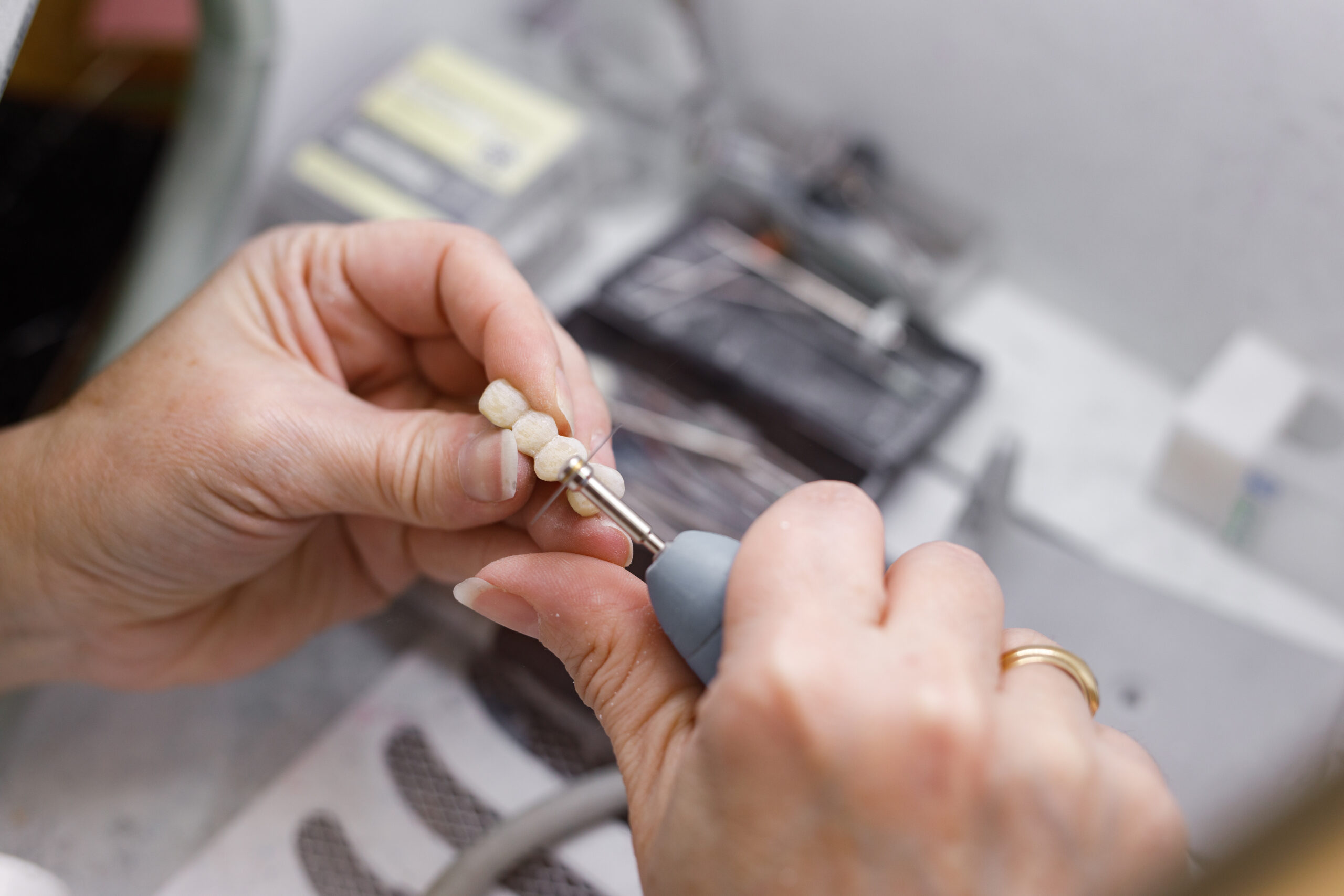
The choice of material for dental crowns at the Veda Stom clinic (Tashkent) determines not only the aesthetics of your smile but also the biomechanical durability of the entire restoration. Modern orthopedics offers a range of certified materials—from classic metal-ceramics to advanced metal-free composites based on pressed ceramics and zirconium dioxide. Understanding the physical and chemical properties of each composite allows the dentist to select the ideal solution that is fully compatible with the body's tissues.
Advances in dental materials science in recent years have radically changed the approach to dental restoration. While previously the primary requirement for a material was solely its mechanical strength, today biocompatibility, hypoallergenicity, and optical matching to natural enamel are paramount. As a practicing physician at the clinic Veda StomI help patients understand the materials used to make dental crowns every day and why choosing the right composition is key to maintaining the health of their entire dental system for decades to come.
Each clinical case in Tashkent We consider this on an individual basis, since a material that is ideal for restoring a chewing molar may be completely unsuitable for prosthetics in the “smile zone.”
Basic materials in modern orthopedics
To understand the material used to make dental crowns, we need to divide them into two broad groups: metal-containing and metal-free. Each composition has its own unique molecular structure, which determines its behavior under chewing pressure.
1. Cobalt-chromium and nickel-chromium alloys (the basis of metal ceramics)
These are classic dental metals used to create the internal, durable framework of a crown, over which porcelain is applied in layers. They are durable, but have a significant drawback: over time, they can oxidize when exposed to saliva, causing darkening of the gum line.
2. Lithium disilicate (E-max glass ceramics)
An innovative metal-free composition consisting of pressed ceramic with a high lithium crystal content. It offers unrivaled aesthetic properties thanks to its ability to transmit light just like natural dentin and enamel.
3. Zirconium dioxide ($ZrO_2$)
An ultra-strong crystalline material, often referred to as the "white gold" of dentistry, it combines the strength of metal with the aesthetics of high-quality porcelain. Zirconium dioxide is completely bioinert, eliminating any galvanic reactions or allergies in the oral cavity.
Physicochemical comparison of dental materials
For clarity, we have prepared a table that reflects the key technical parameters of the materials used for permanent prosthetics in our clinic. Tashkent.
| Comparison parameter | Metal ceramics (on KHS) | E-max pressed ceramics | Zirconium dioxide (ZrO2) |
| Bending strength (MPa) | About 800–900 (due to metal) | Up to 500 | From 900 to 1200+ |
| Light transmittance | Zero (metal blocks light) | Maximum (full imitation of enamel) | High (especially for Multi-layer blocks) |
| Thickness of the frame walls | From 1.5 to 2.0 mm (requires strong turning) | From 0.3 to 0.8 mm (gentle method) | From 0.4 to 0.6 mm (preserves tooth tissue) |
| Biocompatibility | Satisfactory | Absolute | Absolute |
| Resistance to chipping | Medium (porcelain may chip from metal) | High | Maximum (for monolithic structures) |
Material selection criteria at Veda Stom
The choice of material for dental crowns in a particular case depends on the functional load and the anatomical features of the defect.
Requirements for distribution of materials:
- Frontal zone (incisors and canines): Here we use E-max glass ceramic. Its optical density allows us to perfectly recreate the incisal edges of anterior teeth.
- Chewing zone (premolars and molars): Monolithic zirconium dioxide is the preferred choice. It can withstand enormous chewing pressure and is resistant to abrasion.
- Prosthetics on implants: For fixation on artificial roots, we recommend zirconium crowns, as this material interacts perfectly with the titanium abutment and does not cause inflammation of the soft tissues around the implant.
Technological cycle and fit accuracy
At the clinic Veda Stom Crown production is automated. All-metal structures made of zirconium and ceramic are manufactured using digital milling on CAD/CAM machines. A computer program calculates the crown's shape with an accuracy of a few microns, ensuring a perfect fit to the tooth's neck. This tight fit eliminates gaps that could allow bacteria to penetrate, completely protecting the supporting tooth beneath the crown from secondary caries.
Advantages of modern materials for the patient:
- Complete absence of metallic taste in the mouth.
- Color stability: modern formulations do not darken from coffee, tea or food coloring.
- The gums around the crown remain healthy, pink and do not recede over time.
- Minimal adaptation period - new teeth feel like your own immediately after fixation.
Choosing a crown material is a crucial decision that impacts your quality of life. We invite you to a consultation at Tashkent, where, based on digital diagnostics, we will select a material that will perfectly restore chewing function and give you a flawless, natural smile.